

Transcript
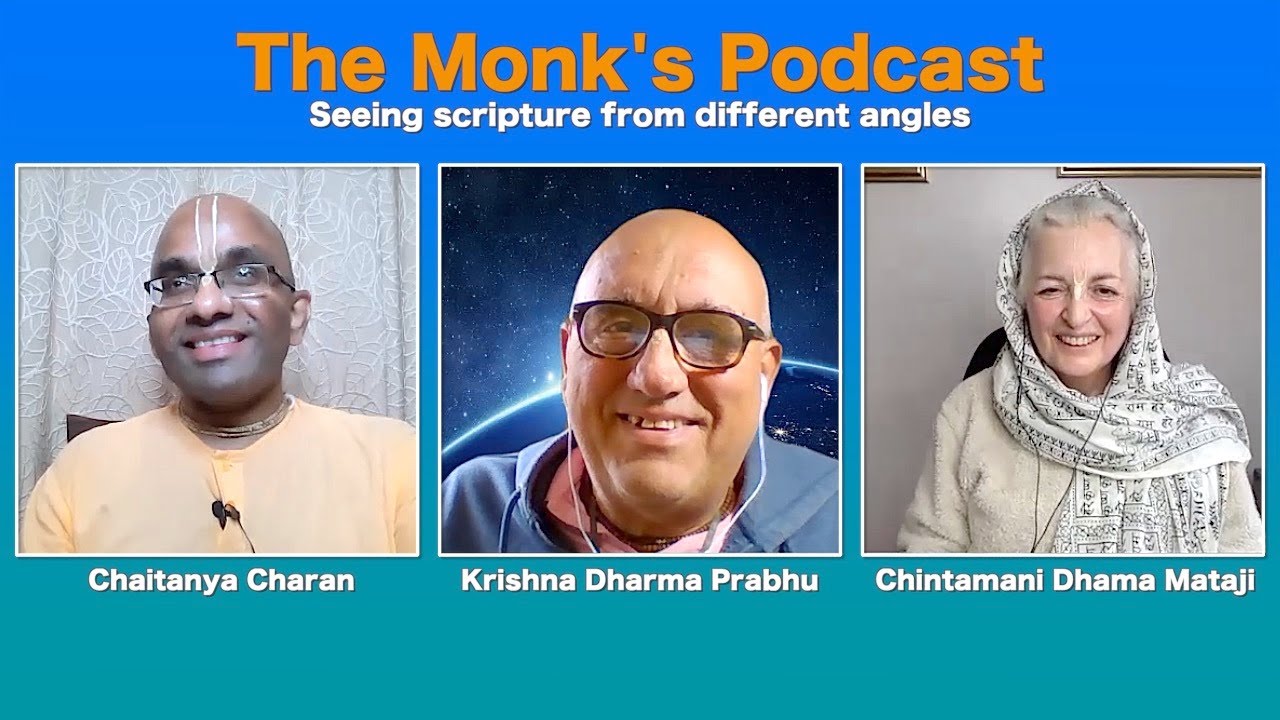
Hare Krishna Vrinda Kishori hi Krishna everybody I just want to thank you for
endure for joining me today I’m so excited that she’s finally agreed to come I’ve been begging her for year over
a year to do this video with me and and I know you’ve been very very nervous to
put yourself you know up like this and to just speak in front of people on the
subject matter by the way of discussing Gita and bagua time with our children and I know she’s been very very nervous
to share her experiences with everyone I’m gonna let you explain why you’ve been nervous Rinda okay thank you for
giving me a chance to offer this disclaimer so my main my main concern
actually with and doing this is that usually we like to hear from people that have kind of been there done that and
you know shown what worked what didn’t work and at the moment I’m actually
going through the process so it’s not it’s not really that I’ve come out the other end and my children have come out
the other end it’s something that we’re doing presently and there’s a chance that my children will not choose Krishna
consciousness when they get the opportunity to choose Krishna consciousness when they’re older so so I
you know giving this talk and then and then my children not actually taking up the process is quite daunting and scary
and so yes so just to just to warn you I’m I’m still I’m still working on you
know sharing Krishna consciousness with my family and with others around me so
if you just yeah so just take what I say with a pinch of salt I guess there was
another reason to isn’t it you were saying to me how you’ve seen videos of adult survivors or adult of people who
done home schooling do you want to explain that a little bit okay so there
have been oh I read about and some children that their parents had gone
around gone you know gone around talking about how amazing this curriculum for home
education had been that you know they’d they’d done a curriculum for home
education and so they kind of their family represented the best kind of homeschooling family and so the kids
always had to pretend to be this perfect family when actually there was disconnection happening and so when they
were older there you know there was a lot of kind of yeah trauma but they had
to deal with and so I was like oh I don’t want to put my kids through this by I’m talking about this discussion but
yeah but I think if I’ve done this disclaimer I think I feel a bit safer
okay those of you who don’t know Brenda Kishori you won’t know for how things
turn out but those of you who do she’s certainly not here because she wants to present herself as being an expert or
her children as being anything but what they are young children and then but
she’s come because I’ve really been asking her and she’s there are other
mothers have been trying to share the discussions with their children but I I
and Brenda met when Brenda was pregnant in her early stages of her pregnancy with her first child
and she began doing that we began doing the discussions me the two of us and some other ladies almost on a daily
basis at one point wasn’t at least a few times a week I can remember and she’s
gone on to share so she’s been sharing it longer with her children than other moms were now beginning to do that and I
just wanted her to share with us her experiences good and bad and to give other moms courage and to help us
realize that it’s not all going to be you know roses and you know there will
be difficulties for all of us but I wanted to share it both her difficulties and her and her successes to give the
rest of us courage to persevere and try and do our best so and friend I just
want to ask you and how did you begin to share it with your children well with your first child initially what was your
approach to sharing it with your first child okay thank you okay so we started I
think with my first child well with both my children they’ve kind of grown up seeing that this is what we do because I
was fortunate to have met and how many probably from you know earlier on so
when my when the oldest was just a newborn and very very young I’d be
coming to the discussions and they were actually every day Monday to Friday at
one o’clock in the shaktimaan thirties room and it was so nice especially for a
mother that’s just had a baby and it’s like you know you’re kind of feeling a bit weird about the whole change and
everything but you know that was my my place to go you know and they were all so welcoming and so my my daughter’s
literally been brought up and seeing me get together with other other ladies and
discussing and so I was discussing with with these lovely devotees at the Manor
and then as she got a little bit older and you know she was making a little bit
more noise and I remember you suggested that we do a mother’s group and so we
started doing a mother’s group at my at my house and there are a lot of other mothers that had just had babies as well
and so the babies would come and play together or kind of play with their toys next to each other or whatever they do
while we discussed so she she’s constantly seen that and then you know
obviously later on as we’re discussing as her family she’s seen that as well
you mean with your husband yes yes yes
she saw she saw me discussing with my husband discussing with my friends and it was just a normal thing for her I
remember even with her friends they could barely talk they were like I remember
her and one of her friends they you know after our discussion they were and with
our friends with them the other mothers they sat on the sofa and they got to eat there each and they said let’s do gushin
and it was a I can’t read they can’t they can’t even talk properly but they were like you know trying they were yeah
they were they were really trying to and trying to do this because this is what they thought happens when you know when
when we get together so so that was one thing that she saw me doing this another
thing is that and that she’d like to imitate imitate me but also in our daily
life we were you know whenever because the one of the principles of discussion
is to kind of reflect back to understand what the to hear and to understand what
the other person is saying so I found that while while she was growing up even when she just say you know little words
you know just like you know flower oh you know bird or whatever you know with you know I’d I’d say oh you’re saying
that you can see a flower oh you’re seeing saying you can see a bird and so any any any little little
word that she’d say you know I do reflect that back which a lot of mothers do anyway I think but I think that kind
of helped kind of yeah reinforce and kind of show what and you know yeah
that’s the word model model and the way that our discussion protocols go so
that’s kind of how we we you know we kind of she was introduced to it or that’s how she saw it other things too
because yes you’re right well you know really many mothers will reflect back
but you’d reflect back other of our discussion protocols you’d say things like would you like to say more and have
I understood you properly you you began using these just in your everyday life with her right you know she’d say
something I’d say are you saying this would you like to say more yeah and then she’d say especially if she
upset you know they’re really upset oh you’re feeling upset because yeah and would you like to say more yeah
and I feel like this when she could speak a little bit more oh and you’re feeling like this and this yeah would
you like to say more yeah and then you know eventually she said you understood
me perfectly that’s how we’d discuss in
you know with using these protocols we’d be and we’d say oh and thank you you
understood me perfectly she started saying that too yeah I just think this
is so interesting or Andy at no point did you sit down and tell her you have
to discuss Gita and you have to save this and you have to say that she just saw it happening and as children will do
they’ll model whatever we do if we’re watching TV they watch TV we smoke they smoke at least I want to pay smoke you
know but if we’re discussing they’ll want to play discuss if that’s what they see mom and dad doing mom and friends
whoever her caretaker is doing with other people so that was a key strategy
you had just letting her see you do it and your second key strategy game wasn’t to sit her down and tell her she had to
discuss like but but just in everyday life modelling to her all the little
niceties all the different little protocols or useful tips we now call them and that we apply in the
discussions that make us each other for heard and respected you began using with
her and then she just began imitating and speaking to you in the same way this
she began using that when she did she ever understand you in the same way in every day in life does she just imitate
any of that those things would you like to say more and things because I remember you telling me which is very little young that she did do that I
don’t know if you have have any memories of that now it’s been a long time we
talked a little bit about how do you began to share it and did you want to say more on that or should we move on to
the next point okay so um I know you have two children
and I just was wondering if you found it as easy to share the discussions with
your second child as you did with the first child thank you for any of you
that have more than one child I think you’ll all agree with me that they are vastly different very different and so I
also found that with my own children so with the first and I also think it was
it’s an it’s the family dynamics as well so with the first I had a lot more time
for her it was just me and her and we spend a lot of time talking and I could
reflect back to her with the second child she was an addition to something
we already had you know with with my first child so whilst I was still trying
to give attention to the first child the youngest was still too small to talk to
and and yeah I feel that I didn’t I didn’t give her as much attention as I
did with the with the first one and I auntie and she also had a different
nature so she was um she she was crazy it was crazy
very nice crazy and it’s you know they’ve all got their pros and cons oh
and yeah and so yeah so things were different and I found that actually I
wasn’t I wasn’t consciously putting more putting effort into connecting with her
so I only found this out a bit later on that you know she’s always you know playing up and not listening to me and
my first child would listen to everything I said we’d have conversations where you know we were
respectful to each other what is happening you know I thought I was the perfect mom until my second child came and then and then and then I realized
that is it’s all really down to connection and I felt that I didn’t I
didn’t have I didn’t put time into connecting and I
wasn’t present even though we were together all the time I wasn’t consciously present I don’t
know if any of you have kind of felt that that you’re with your child and but
you’re not really with them your mind is somewhere else you’re thinking about something else so I think the turning point was when I
decided to when I saw this and thought something needs to change you know what
did i do differently what am I doing differently now compared to what I was doing with the first child and one of
the main points was I was listening and listening attentively to her you know
and like you were saying it was I was respecting her a bit more you know so I
tried to so you know sometimes if she’d say something before it would be like oh okay
yeah yeah okay yeah we have wait I need to do other things or oh yeah yeah you’re saying that and you know you kind
of kind of you know agreeing to what they’re saying but not really listening yeah popping them off and so I see why
I’m showing humanity is a good thing
because we don’t want to set any of us up as being perfect because then it’s not gonna help anyone else and anyway
we’re not perfect won’t help ourselves but I hope if you can see the humanity in everyone’s situation and that will
give you courage that will give you courage that you’re also human you have your foibles but you know we can it can
still work according to your circumstance and your ability and it can hopefully do good if we if we if we
don’t force the children but we encourage and I think some of the ways you’ve encouraged have been I’m really
worth sharing so I’m gonna let you carry on thank you thank you she’s great when she’s speaking she’s
gonna want me to edit that okay so yeah
so with with the youngest one I just kind of realized that I need to be
conscious more conscious and more present so whenever she spoke I’d try
and so even now I’m still trying to just kind of stop and listen to what she’s
saying and not just listen to what she’s saying because I’m you know oh I want her to later on be able to discuss but
really listen and value and understand what she’s what she’s saying so if she’s
saying you know I don’t I don’t like this you know I don’t want to eat this or something usually I’d you know I’d be
like well you have to eat it oh you’re not eating it oh my god okay like now we’ve got to waste it you know
and but now um yeah if she says she doesn’t want to eat it eat something I’d
say oh you you really don’t want to eat it you don’t like it or what don’t you like about it and you know she says I
don’t like it stuck in my throat or something like that oh okay and you know why these are good you know do you think
these are good for you or bad for you and let’s try eating the colors of the rainbow and what color is this and you
know and you know weed and try and you know speak more about you know what she was kind of what she wanted to talk
about rather than me just kind of ignoring her and and usually it’s just a
call for attention and and when we actually have these conversations you
know she actually wants to do things you know that I’ve been asking her to do
over and over and over and over again because you know all of it was just you know she just wants to she just wants to
be noticed and I’m noticing that now and so now I’m really trying to be more
conscious and more present and I’m really finding that that it’s a game
changer honestly it’s it that that really fixes things and I think that will this is
kind of helping and towards our discussions as well and yeah I said I think the first bit is
connection even outside of discussions before we start discussing to have that
connection and build on that connection yeah that’s a really nice point that
connection and connection doesn’t come by intimidating or talking down or punishing but by respecting helping the
person film understood and respected and validated and then once once we can make
that and using some of the discussion protocols can help that because you know something like sixty percent of the
discussions is learning to listen and Pathak lis not just with our words but without body language with our no facial
expressions with our tone of voice and so really helping the other person feel that they’re being valued so I think
that does help create connection one thing I wanted to ask about your first
child that I forgot to ask and I just had to take the conversation back a little bit if I may is that what you
spoke a lot about how you introduced to outside of discussions you know she saw
you discussing and should want to imitate it and then how you would use many of the what we used to call
protocols when I call useful tips same thing um in your everyday life with her reflecting back saying what you’d like
to say more have I understood you properly things like that but how did you get it from that to actually sitting
down with you and doing the Gita and you know I know that you have mentioned to
me that your husband played a role in that and so I’d just like you to pick up
on that a bit and speak at the state in your own words okay so how did we just
start discussing Gita with and with my oldest so we yeah so I discussed with my
friends and also with my husband because
chant only probably had shown a verse actually the purport of 13 8 to 12 in
the Gita we’re sure the proper talks about the 4 and the 4 things that we
must do to have a happy family life so one of the one of those four things so there’s day
t worship having Purshottam and cured then and and discussing those of all
things yes they’re discussing books like the bhagavad-gita and srimad-bhagavatam so we and so then we really tried to
start discussing my husband and I and so then she started seeing that this is
something you know this is something we do we do it with our friends we do it with our family it’s it’s a it’s a
day-to-day thing and so then when she saw that she wanted to start taking part
so the I don’t know if I meant to mention it now or later but um she
discussed and she she wanted to take part but she when she but that was when
she was older but before that we were discussing pictures so from the Gita we
you know she kids loved looking at pictures so I think this could even happen from a much younger age so with
my younger daughter we we discussed pictures so you know you just open the
book and they love looking at pictures you just ask them what do you see and what can you see and you know I like if
they’re really small they could say horse or you know or a man or you know
eyes you know garland or you know their and you can reflect that back and and
that’s what I was doing with and my oldest and now with the the youngest one
I remember sorry I remember that actually cuz I remember being at your house sometimes
and you would do that I think probably with the oldest child and I was really
taken back because she used to use the front of the Geeta
I think that was your oldest child’s favorite picture even if we used to try to go into the Geeta she’d always come back to that front cover with them our
June and Krishna’s sitting on the chariot and in in the midst of the art two armies and I remember when she would
point out to the horses and she’d call them elephants or something she said I
see it might have been your youngest child I see elephants it wasn’t a horse she wouldn’t say horse she’d say another animal
and I was really impressed how you never corrected her never said no that’s not a horse I mean that’s not an elephant that’s a
horse because with time she’ll come to know that but you never made her feel you’re wrong and that’s a really
important part of our discussion protocols we don’t try to interrupt and say to the other person you’re wrong
we’ll just share our own understanding later but you continue to reflect back
what she said very respectfully do you say oh yes so you see four horses or you see and so four elephants yeah and then
and then eventually well probably the hundredth time you discussed that picture because in the beginning she
didn’t like you to do your understandings did she it was all her answer but after around a hundred times
he once said can I do my understanding he said I see from different light and I remember the first time your light was
different from your oldest daughters I remember that led to a bit of a meltdown field so she was like Oh mom
see how did you deal with that hey did you remember I remember because I was
always really fascinated what what what’s going on you have a good memory
oh my gosh I’m forgetting it all now but I I just remember yet that she was very
upset when she and when I had a different understanding but I think because she you know the the first child
is generally a people pleaser and you know she wanted she wanted to be right
she wanted to do things right and she felt that because I had a different understanding that my understanding was
right and hers was wrong and I have constantly tried to remind
her explain that don’t don’t worry you’ve got a different understanding and
you know and for a long time like we she was thinking is she’s been thinking you
know any time I had a different understanding she’d be a bit disheartened but actually I’ve got a say
now she’s it’s just clicked and so it’s
taken a while like every time she changes her understanding afterwards and but it’s clicked and I think because now she
joins in with the ladies discussion oh my gosh her heard she she really she’s
she’s much more refined now with her discussions and she she owns her
understanding now she’s very confident with her understanding and she’s she’s
oh and then she’s happy to also understand mine if it’s different so yeah it’s I I think I think it just
takes time and also for them to see you not just see you in discussions with
other people but to involve them as well with the discussions with other people and if they yes yeah – and you guys are
very very kind with that actually you’re very very good to you I think for any moms or dads for thinking of introducing
this a key thing is never force never force if you want to put your child off
something for life force them and shame them about that particular issue and for
life they won’t be able to do that but it’s always encourage and give opportunities and model model encourage
and give opportunities and I remember the very first time she had a different opinion – a different understanding for
yours it was quite thinking for you for her it was quite traumatic like I’m wrong and I
remember at the time you really went over really constantly it’s okay to have
different lights it’s okay to see things differently we’re allowed to see things that’s good you know so you know if your child
experiences any trauma or anything lots of reinsurance lots of validation
not shaming not correcting not that’s wrong you know but encouraging
validating you know and and not forcing yeah yeah so about your second child
we’re going back to the second child so you you were explaining that you found
that connection has been made because your second child both nature is different and nurture that you had a lot
less time for her loss that’s a lot less focused time for her and that means making her play up a lot
and you realize just very recently that if you want her to stop playing up and
become more cannae submissive and mean able to in any area of her life not just
discussions you need to give her some more focused attention so you’ve been really using the protocols of the
discussions with her not in a geetha discussion but just you know focusing
your body language your facial turns you know you bought your voice voice tone facial expressions and your language
really trying to focus on her to give her that sense of feeling respected and heard and you felt that this is
gradually helping her yeah so this will recap at your district second child have you began introducing
Gita discussions to her and how is that going just I know that you felt really
nervous because it’s not 100% there with her she’s not yet and lover of the Gita discussions like the oldest child but
how is that going what were you what’s your challenges and what’s your successes if any you know you want to
share anything on that with us so she’s we are discussing pictures at the moment
and when I say discussing pictures it’s literally when she wants to discuss
pictures so I it’s not regularly it’s not every day and and it’s however long
she wants to go on for so you know she might want to do just one understanding and then that’s it she wants to close
the book or she wants to go on and on and we will carry on going on and on and
on so um you know I I just you know I can maybe trying to enforce other areas
but in terms of discussing with discussing the Keith I just want
positive emotional attachment to the public ether so and I found that with with the first child I think we’re
pretty much did this as well we just we just discussed the pictures and eventually now she discuss it we does we
do a family discussion with me and my oldest child and my husband
and so it all works out so I think the main thing at first is just to you know
fat start Fanning it and so I’m just doing that with and with the youngest
and yeah that’s quite nice I’m so glad you said that I just want to kind of
like comb highlight some of the things you said she she discusses with birth children when they were first starting
the youngest our child is still starting she discusses pictures when the child
wants for as long as the child wants and rindas not doing the talking the child
is at rindas just reflecting back how did you introduce with the oldest one
you beginning to do some understanding how naturally did that come or did you
have to force that how do you envisage that happening with the second chunk of the second child right now it’s just
them talking and you understanding you understanding you understanding for as long as they want and so had had how did
the transition happen least with the first one cause it hasn’t happened for the second one yet to say that she does
she understands me as well yeah so I think it starts so it started off with
me just understanding understanding understanding understanding and when
they feel that they’ve had sufficient understandings then sometimes I can say
like can I can I give my understanding and then she’ll be like yeah what’s your
understanding and then I’ll say and then and then you know I’ll say you know what I can see and then she’ll say and then
I’ll say you know could you understand me as well and you say yeah you’re
saying this like yeah you understood me perfectly and then she starts saying that as well you understood me perfectly
so I I think like you were saying before that yeah we’ve we’ve just kept just
keep understanding until and then every note you know sometimes we can say you know can I understand them sometimes I
know I have more to say okay would you like to say more would you like to say more would you like to say more and and
then I’ll ask you know and then my understanding would be I’d give just a
short understand and and if they ask if I want to say more I don’t really say so much more
because I don’t want it to be too much on me you know so yeah and yeah become
hard for them so just just I guess it’s you know you just kind of follow your
instincts and just see how ready they are and if they don’t want to understand you it’s fine it will come it really
will come I’m really glad you mentioned that too that when it comes to them
being understood you will go on and on for as long as they need to but when
they eventually agree to let you and you know it’s you to say something and they have to understand you you don’t keep
going you just keep it really short and I and I should imagine it’s just to give them that sense of success that you
succeeded you know you did good and another point you brought up earlier you said in other areas you may enforce
things but when it comes to the discussions it’s really free flow because you want them to only have
positive emotional it and it’s not you know anything positive emotional memories attached to heated discussions
so you don’t force anything with the heated discussions yeah I think there’s
a really good advice is to give so is there anything else you want to say about how you discuss share this with
your children and has has your husband played a role you did tell me recently
that you came home and found your husband discussing Gita but the youngest child so tell me a little bit about your husband’s role
because I do think husbands play a really important role even though they’re at work all day that if they’re not at all supportive
it’s really hard for the mother to do it all alone there has to be some even if it’s just moral support from the husband
can can you speak a little bit about to the degree your husband is able to support and support this initiative I
think for us I think once the kids are
on board the husband so with with us
it’s just that and by krsna’s grace at the moment my oldest daughter
discussions and particularly she loves discussing with us as a family so me my
husband and her and with the youngest one puttering around or nearby so she
really likes that part of the day and so you know it’s it’s kind of hard for him
to refuse and you know if you’re tired
at the end of the day but he and yeah I think he also he does encourage and
discussions and he does take part as well and my yeah they I think that I
think I think because he knows that the kids really like it like to see us all
discussing together I think that encourages him as well but he is also yeah he discussed with my
my daughter were both of them actually he’s discussed with the with the oldest
one he discusses with her you know if he’s if he’s reading something though they’ll discuss or and they even
discussed the ketha together yeah so yeah he does he whenever he can he
does try he tries to discuss with them as well yeah he does work a long day
really long a day so should we move on to other things if we have time and I
know you don’t have a lot of time do we have any time okay okay so I just want
asked you about the overall difference that regular Gita and baguazhang discussions has made in your life as an
individual and in your life as a family and for your children you know just the
fact that you’re discussing regularly how has that had a if any knock-on effect in other areas of your life and
your family’s life the difference and
the gate the discussions have had yeah I mean there wasn’t really a I I
feel that with my children we’ve kind of they’ve been born with it and we’ve we’ve been kind of discussing since the
beginning anyway so that it feels like that’s just our life but with that with
my husband he’s noted noticed a vast difference in my behavior and my
attitude and you know just how you know life is much calmer if actually even my
daughter’s noticed like you know I was just I was just tell the oldest the oldest but I was just telling chin Tony
probably that and you know had a month where I just couldn’t fit in any discussions or do anything I was like it
was a busy busy month I just stopped to everything everything and I was so
jittery and snappy and my husband was
like I can’t wait until we get back if to keep the discussions and even my
daughter was saying the same thing it’s like we need to get back into this again you know because there’s such and I even
felt it as well I just I just don’t feel happy and and the family no they they
they they see and they realize it as well and my daughter’s the same actually she she she’s the oldest she feels that
and I think she she needs that kind of connection to Krishna regularly as well
so yeah I think what we felt is we’ve really felt protected and happier
emotionally very much more stable and yeah I think yeah I’m really glad you
brought in the concept of feeling protected because for those of you know me well and possibly watched the Gita
Chianti class I gave at the Manor it’s on the improving our service angle web page
when we analyze the first two sentences of prophets 1:1 purport and if we
analyzed and we’ll see that surrender to Krishna equals equates to a sweaty
bugger Gita scrutinizingly with the help of a person who’s a devotee of Shri Krishna and try to understand it without
personally motivated interpretations and Krishna promises that if we do this
discussions if we do this study with another with another devotee he will protect us in our lives I know that one
of written what the main reason I’m so enthusiastic but sharing discussions is because I found the krishna has
completely saved me from impossible situations both internally and externally and I just wanted to ask you
about your experiences do you feel that if you experience Krishna’s protection
your life when you discuss the Gita or the bug with Tom on a regular basis and maybe just tell us some incidences or
anything you know about that if you like he’s pretty
yeah that I was you know when we talked about this I was like okay this I can I
can vouch for for sure without feeling a bit nervous or anything but I I have felt that Krishna does protect us and my
daughter the first daughter has also felt that Krishna does look after us he
protects us we’ve got nothing to worry about you know and you know it’s real
you know and it feels really real and that he protects me and from my self in
a way like from just being so and before discussing the Gita I you know I you
know I’m quite fiery person so um you know this is actually why I approach to
ancient Omni probably because I was like is there any way to fix me and and then
you know she kept talking about the discussions and you know you know how we just say oh okay yeah that sounds nice
and then we go home and don’t do anything about it and then you know I saw her the next day and she’s like how are you and I was that oh yeah and my
fiery nature came out and then she was like but are you discussing another oh well really is
connected and so I’ve actually found that this this is kind of protected me
it’s protected our marriage I think and not I think I know I know it has
actually I think without the discussions I think it’s fair to say we probably
would be divorced by now too much information yeah and I know my
husband can vouch for that and say that the discussions are you know very protective of our marriage and yeah and
and there were what else was it so and yeah protects oh yeah I was also saying
that he he provides everything I really found that you know and sometimes as
mother’s we get you know we’re around our kids all the time and sometimes that
I need some adult company and then sometimes we try and arrange like meetups and to do stuff with other
people and you know and but what I found is that when we when we really take
shelter of these discussions regularly um I found that I I don’t need to
actually actively endeavor for this stuff you know how Krishna just provides everything that you lack or anything
that you need you just worry about finding time to discuss the Geetha and
Krishna will send everything you need to you honestly I really I that I really
feel that 100% and my daughter’s felt that a hundred percent that we just need to take shelter of the Geetha and if
anytime we’re just feeling like we’re feeling low or just feeling like
affected by things that have happened externally we turn even more to the geet
that we make sure eyes because I haven’t been discussing we we get down and discuss the Gita and everything works
out and it works out better than then you know if they’re yeah better than we
could leave better than we if we just tried ourselves to try and sort things out and
so in that way I felt really protected yeah I really and I think this is why I
want to discuss with my with my children and with the family because I my my
dream and my wish and my hope is that my children can grow up to and turn to the
Gita and the bug with them as their best friend as their their solace and you
know whatever they go through in life because they will go through things in life we will will and do and there’s ups
and downs but if you constantly stay in touch with the Budwig ether and the bug
with them a krishna will protect you and if my kids are able to do that I’d be so
happy that’s my success you know if they if they find their solace and their shelter
in the bog with them and their buzzer Geeta thank you so much for sharing that
Brenda Kishori I I just want to advise that my husband my relationship we were married for him I forget nine ten eleven
I think thirteen years my oldest son was nine and and so I was married four years before we had a child so that Howard how
many years we might 9 10 11 12 that 13 years and after 13 years of marriage we
were actually going through a really really rocky patch we were argue all the time all the time it was probably mostly
my fault not my husband’s fault but since we began doing the discussions the thing it’s like we don’t argue and you
can ask any of my kids and that’s how we came to meet isn’t it because my my eldest daughter overheard you and your
friends talking about the arguments at home so my parents never argue but it
was since we began doing the discussions properly as especially since we began applying the the protocols and the
principles you know before that we’d argue all the time so thank you so much
for sharing that I just if you’ve got time have you got times I know you need to go and pick up your daughter okay and so I just want to know two questions
and one is you you don’t have to go into the details other key to a boggle Thomas
angles before that and was the experience the same as doing it according to the principles that we
share in the improving us at a Sangha site a Facebook page and the second
question following that is what what are the principles that have helped you make
your discussions different than the than your previous experience and so maybe
and which protocols you found easy which you found hard which made the biggest impact so maybe you just talked a little
bit about its first starting with previous sanghas Guttenberg what Samsung as you’ve had and the difference to how
you do it now okay so I think we’ve all
wanted to you know we know that we need to attend Sangha groups and discuss
these scriptures and so from a young age I think about 16 I started trying to go
to summer groups with other friends and you know we try to discuss and two
things that I noticed before I started and discussing using these protocols and
these principles was that you know we’d read a paragraph and then and then it
kind of stopped there like we’d read the paragraph and then we’d talk and we
talked about anything that we feel like talking about those you know somehow related to this and if it flows off it
flows off which was nice because we were together and were having a nice conversation when talking about our
staff but it was talking about our stuff and it wasn’t necessarily sticking to
Shula Pro pods of words and I think what
would I what what I’ve struggled with not struggled but I just didn’t feel any
change happening I think that that’s and I felt the change happening after I used
these protocols and I think what I liked about these principles was that you’re
sticking to Sheila Pro pods words you’re not deviating from them you know you’re really trying to
understand what Sheila Pro part is saying and and then if you’ve got questions the answers are not deviating
either the answers are we’re trying to find our lights or the lights is another word for answers which some people don’t
know the reason we don’t say answer is
because we’re not at our ears so it’s not like our answer is that’s the answer it’s the best we can do it the proper
uses these words your lights different lights different perspectives so it’s our attempt to answer but that doesn’t
mean that’s the answer okay you know it’s just my little light how much I can see into the answer okay
so it was so these these lights were they were real lights you know they came
from em Shastra they came from Sheila proper they came from from the scriptures from bug with ether or the
sherman bug with them and I found that yeah then I felt I found and I felt
uplifted after these discussions but with the previous ones and I felt
uplifted and happy because I I was with my friends but the there’s a vast
difference like the the happiness and fulfillment and the change that you feel
using these protocols like that you know you’ve got to try it it’s amazing it
really is and yeah I mean this is this is how my husband felt that he wanted to
start discussing in Seoul because he saw me discussing using this technique and then he was fire okay you know let’s
let’s stick to this technique and now it’s actually hard for me to go out and you know do anything else but yeah so
the and so there was that and what was the question the other the other thing
was I found that we did get into debates a lot you know and you know if I’m honest I it was my
ego my false ego where I’m just trying to a my pride I wanted to be right on in
my my answers to be right I wanted to be the the person that knows the answers
and you know well no I think it’s because of this and well no it’s because
of this and it’s you know and then he’ll be but it couldn’t even look at each other in the eyes because because we
just been yeah and sadly Sangha right
that’s that’s not that’s not debating isn’t really that’s not how devotees
associate so there was something missing and Krishna was really kind actually to
to introduce me to you saying thank you yeah this kind to introduce me to you
too so a couple of things I want to highlight from what you said and one is
that the discussions before were more like I was put him you said going here
there and everywhere so I would put mind mapping so they would start with whatever prophet had said and something
would trigger a memory or a point or an idea and they were just all over the universe and but wouldn’t stick to the
point and and since since you began sticking to proper points you felt a
much greater inner fulfillment and the second point that em before they would
be argumentative debates so you’d get into ego clashes and I just put a video
on the improving outside a single webpage you can find it in the group introduction and principles is the
introduction principles six and seven so seven is do not engage in argumentative
debate don’t debate they can be different lights so now you can see different lights and you can validate it
but instead of it becoming an ego clash it becomes something which is actually makes it more relishable yes and that’s
the key point discussions should be sweet so Tampa Sun gun mama beer is some video vivant II hit kana assign Akita
this is Bhagwat encounter three chapter twenty five twenty five and in the video about principles seven
there’s a quote there from next I think teachers of Lord Kapila but promise that this is the key it says if we’re
discussing like academics or politicians or in a kind of combative way then we’re
just looking on the outside of the honey jar but the key to get this this nice taste is to discuss with devotees and so
devotees don’t debate process it’s not a matter of a debate club so it’s finger to see so I’m so glad
that your experience can like supports supports the importance of not debating
in an argumentative way what were the protocols or by the way what we call
protocols on the improving our service angle facebook page and also on the
webpage we call it useful tips in the very beginning we call them principles and protocols but I thought it would be
softer you can use the protocols or not you can just call them useful tips now but what
were the principles all the useful tips that you found easiest to introduce and
well that one’s that you maybe in the beginning found a little hard to get adjusted to would you like to say
anything about that so one of the okay
what did I find easy to do okay let me
first and talk about what I found hard to do not hard but it’s something that
we are all kind of accustomed to doing something that we’ve learnt right from you know childhood we’ve learnt at
school to show that we’re listening you know show that you’re listening you can’t look away so I am very good at eye
contact and how really pretend listening
and I remember when when I was discussing with chin Tommy Prabhu in earlier you know when we first started
and and she’d be saying something oh you
know everything she’d say say can you understand me and sorry
I’m so used to showing that I’m you know I’m interested and I’m listening but
actually my my mine’s not really that I’m still thinking about something else so to train yourself to really listen
and listen not with the intention to reply but listen with the intention to
understand I you know I mean I love doing it now and I did I did like it and
actually that was also one my easiest things to do it’s easy now
yeah it was it was hard because yeah you’re so used to trying to think of
answers or but now you don’t actually need to worry about thinking of answers because the person who asked the
question has to answer it first so you can just worry about under understanding
them but yeah that I think I am I didn’t struggle with it but I I kept falling back into the bad habits of pretend
listening yeah looking for evidence oh yeah that was difficult and yeah so so
when we first started when I first started discussing with Qin Tony Prabhu it was yeah I was like oh my god she
knows so much like she she like with all the answers she could refer to Shastra
she could say in the Budwig ether in this text and chapter and chapter and text in this purple have a look how they
look everyone and we’d all go and the quote would be there and she could go to
it straight away and I always think I remember thinking there is no way I don’t know Shastra that well that I can
refer to this and that and this and that and so I think that was like that kind
of scared me that oh my god we can only give a light if we refer to sastra I
think that that really that made me think oh my god there’s no way I’m going to be able to answer anything or find
any lights and but then as we as you continue to discuss you’re on all of
that discussion is it sticks with you so well not all of it some of it sticks with you a lot of it does actually more
than if we just read and and so when in later discussions we can go back and
say you know what I discussed this in 1382 12 it says this or in 91 it says
this and you know and you just jumped to it because it’s like I remember discussing this and another thing like I
was saying before is that by the Lord’s mercy we have google google and we have
Veda base and Varney quotes and you know any question that you have usually you
can like type in a keyword and you get you get stuff coming up and that’s brilliant and that really I found that
really helps instead of just talking and talking and talking when we don’t know
something we’ll just be quiet for a few moments when everyone’s like frantically
looking for evidences you know one way or the other and we’re not attached whether the evidence goes against us or
for what we said it’s just what does the evidence say you know and it’s really
it’s a nice feeling isn’t it
it’s not about us anymore you know it doesn’t feel like it’s about us anymore you feel free there’s no like oh I need
to support my point it’s like together we’re going for an exploration we’re exploring the Shastra we’re exploring
what what is Christians saying what’s the pro pot saying oh you know what this is what I found this is what I found oh
how can we make sense of this where is this from you know and then you know and then we we kind of find references to to
understand our doubts or whatever and then we can bring it all together and oh
my god it’s so nice it’s like we’re on a journey together we’re not against each other we’re not fighting again it’s so
nice I think one of the key phrases these days is connection you brought up
connection regards you younger daughter you know how people looking for connection we often turn to alcohol or
illicit sex or gambling or sleeping or whatever because we lack that connection
but when you explore I’m trying to you’re together on that journey and you’re supporting each other the sense
of connection between you is it’s just so uplifting you feel a real
that connection happening you know and it’s a really amazing feeling I don’t
know if any of you ever go to like talks where someone says can you write down or on your hands can you figure out the
five closest friends you know you know
and and every time I’ve done that my closest friends are always without a
doubt the people that I discuss with like is it’s it’s all it it’s on a
different level and it might not even be they might not be people that I see every day day in day out but they are
the ones that I discuss with and yeah that the connection is so much deeper
because Krishna really is in the center he really there’s a really nice first
from the Padma Purana I only know verses which have really impacted on me and supported and infused me to keep
discussing this and nothing but there’s a really nice first one in our the Piranha I think where and the Lord says
no Hamish Tommy if I can’t a yogi and I’m here – Shiva – Tommy Narda yet sir I
can’t aim at bhakta I says I’m not invite Quinta nor am I in the hearts of
the Yogi’s owner odd but I am wherever my devotees are discussing my glories and you feel that you really feel this
is just an incredible connection and I think it’s because as you say the Lord
if we’re discussing in a version of leeway not combative not to Ken like
with ego but really supporting each other trying not mental speculation not going off on you know flights of fancy
and all over the world but sticking to trying to stamp prop out and find evidence ISM and working together
cooperatively Krishna enters into that discussion and if the inner feeling is
just absolutely so sweet so anything else that you feel you would
like to add as per going back to the children sharing it any words of encouragement that you’d like to give to
other mums or other dads or other families who considering you know maybe their children are boys who find it hard
to sit down and do eat a discussion anything that you think from your
experience you might be able to share to give them some courage or maybe some
good useful useful advice or anything that you might think might help them I
mean I don’t have boys so and I don’t know but I think they’re both like boys
boys but I’d say these principles are
for me I feel that they’re flawless they just work they work they just work with
every instance and but what I would say is that also and not to worry about what
other people are doing and to you know think oh my gosh she’s discussing with
her daughter every day in their family they’re discussing every day and oh my god I’m a terrible mom or I can’t do
this and oh my son doesn’t do this and you know i I’d say not to worry so much
and really have faith in Krishna keep praying to Krishna and also for us to I
think firstly I guess firstly build up on our own discussions make sure that
you know where we discuss and we like discussing because if we like discussing
the kids feel it and they see it as well and and then also and when you do that
you also have that connection with your children really try and work on that connection and discuss with you know
discuss with them pictures at first and then slowly start incorporating words
and then once they see you in discussions and once they’re a little bit older I guess and if they would like
to join not obviously not to force them but if they would like to join not to always differentiate and think oh
well your kids this is an adult’s one I think it would be nice to you know have that kind of respect for for them and
say would you like to join us as well and I think that that’s really helped my
oldest daughter that you know she she feel when we go to the same discussion with chin Townley Prabhu they you know
she feels one issue feels like she’s one of us is not that she’s just a kid that
has to sit on the side or anything like that yeah but don’t force it don’t worry keep praying to Christian and I feel
that if we if we really do it I think if
if we really have the desire I feel krishna will arrange it I hope so anyway
let’s see thank you so much so justly I’d like to finish off if your parents a
mother or a father and you’d like to introduce your children to the Gita discussions some things I hope you’ll
take away from first of all you have to do it you have to love it do it with your spouse do it with your friends and
and as you begin to experience it you’ll have something of value that you feel confident you can share that will give
value to your children secondly when you come to trying to share it don’t force if you’ve got a little boy who doesn’t
look like to look at pictures and a book but likes to play football or something use the protocols use the reflective
listening which you know I talked about the football or something else just bring in first of all the habits of good
hearing their habits of respectful discussion you know which you like to say more have entered you just an
ordinary family affairs and and let him let your child see you doing it with
friends with family and hopefully they’ll want to come in and join in and when they do plenty of encouragement no
shaming no forcing no telling them they have to use the protocols you just keep
you just keep doing the protocols you do the reflective listening and occasionally you can ask would you like
to understand me if they say no let it go let it go as immature if you keep reflecting
modeling it hopefully they’ll you know when they’re ready they’ll say yes I’d like to
and back and whatever they do encouragement validation that’s so good
thank you so much that really helped me a lot thank you I was really impressed with how you understood me so no shaming no forcing but you know it
come to appreciate it yourself and try it yourself if you appreciate it you can
share it with encouragement so thank you so much vendor for sharing that with me
and I hope that said this will help some other parents hi Krishna
– Generated with https://kome.ai
endure for joining me today I’m so excited that she’s finally agreed to come I’ve been begging her for year over
a year to do this video with me and and I know you’ve been very very nervous to
put yourself you know up like this and to just speak in front of people on the
subject matter by the way of discussing Gita and bagua time with our children and I know she’s been very very nervous
to share her experiences with everyone I’m gonna let you explain why you’ve been nervous Rinda okay thank you for
giving me a chance to offer this disclaimer so my main my main concern
actually with and doing this is that usually we like to hear from people that have kind of been there done that and
you know shown what worked what didn’t work and at the moment I’m actually
going through the process so it’s not it’s not really that I’ve come out the other end and my children have come out
the other end it’s something that we’re doing presently and there’s a chance that my children will not choose Krishna
consciousness when they get the opportunity to choose Krishna consciousness when they’re older so so I
you know giving this talk and then and then my children not actually taking up the process is quite daunting and scary
and so yes so just to just to warn you I’m I’m still I’m still working on you
know sharing Krishna consciousness with my family and with others around me so
if you just yeah so just take what I say with a pinch of salt I guess there was
another reason to isn’t it you were saying to me how you’ve seen videos of adult survivors or adult of people who
done home schooling do you want to explain that a little bit okay so there
have been oh I read about and some children that their parents had gone
around gone you know gone around talking about how amazing this curriculum for home
education had been that you know they’d they’d done a curriculum for home
education and so they kind of their family represented the best kind of homeschooling family and so the kids
always had to pretend to be this perfect family when actually there was disconnection happening and so when they
were older there you know there was a lot of kind of yeah trauma but they had
to deal with and so I was like oh I don’t want to put my kids through this by I’m talking about this discussion but
yeah but I think if I’ve done this disclaimer I think I feel a bit safer
okay those of you who don’t know Brenda Kishori you won’t know for how things
turn out but those of you who do she’s certainly not here because she wants to present herself as being an expert or
her children as being anything but what they are young children and then but
she’s come because I’ve really been asking her and she’s there are other
mothers have been trying to share the discussions with their children but I I
and Brenda met when Brenda was pregnant in her early stages of her pregnancy with her first child
and she began doing that we began doing the discussions me the two of us and some other ladies almost on a daily
basis at one point wasn’t at least a few times a week I can remember and she’s
gone on to share so she’s been sharing it longer with her children than other moms were now beginning to do that and I
just wanted her to share with us her experiences good and bad and to give other moms courage and to help us
realize that it’s not all going to be you know roses and you know there will
be difficulties for all of us but I wanted to share it both her difficulties and her and her successes to give the
rest of us courage to persevere and try and do our best so and friend I just
want to ask you and how did you begin to share it with your children well with your first child initially what was your
approach to sharing it with your first child okay thank you okay so we started I
think with my first child well with both my children they’ve kind of grown up seeing that this is what we do because I
was fortunate to have met and how many probably from you know earlier on so
when my when the oldest was just a newborn and very very young I’d be
coming to the discussions and they were actually every day Monday to Friday at
one o’clock in the shaktimaan thirties room and it was so nice especially for a
mother that’s just had a baby and it’s like you know you’re kind of feeling a bit weird about the whole change and
everything but you know that was my my place to go you know and they were all so welcoming and so my my daughter’s
literally been brought up and seeing me get together with other other ladies and
discussing and so I was discussing with with these lovely devotees at the Manor
and then as she got a little bit older and you know she was making a little bit
more noise and I remember you suggested that we do a mother’s group and so we
started doing a mother’s group at my at my house and there are a lot of other mothers that had just had babies as well
and so the babies would come and play together or kind of play with their toys next to each other or whatever they do
while we discussed so she she’s constantly seen that and then you know
obviously later on as we’re discussing as her family she’s seen that as well
you mean with your husband yes yes yes
she saw she saw me discussing with my husband discussing with my friends and it was just a normal thing for her I
remember even with her friends they could barely talk they were like I remember
her and one of her friends they you know after our discussion they were and with
our friends with them the other mothers they sat on the sofa and they got to eat there each and they said let’s do gushin
and it was a I can’t read they can’t they can’t even talk properly but they were like you know trying they were yeah
they were they were really trying to and trying to do this because this is what they thought happens when you know when
when we get together so so that was one thing that she saw me doing this another
thing is that and that she’d like to imitate imitate me but also in our daily
life we were you know whenever because the one of the principles of discussion
is to kind of reflect back to understand what the to hear and to understand what
the other person is saying so I found that while while she was growing up even when she just say you know little words
you know just like you know flower oh you know bird or whatever you know with you know I’d I’d say oh you’re saying
that you can see a flower oh you’re seeing saying you can see a bird and so any any any little little
word that she’d say you know I do reflect that back which a lot of mothers do anyway I think but I think that kind
of helped kind of yeah reinforce and kind of show what and you know yeah
that’s the word model model and the way that our discussion protocols go so
that’s kind of how we we you know we kind of she was introduced to it or that’s how she saw it other things too
because yes you’re right well you know really many mothers will reflect back
but you’d reflect back other of our discussion protocols you’d say things like would you like to say more and have
I understood you properly you you began using these just in your everyday life with her right you know she’d say
something I’d say are you saying this would you like to say more yeah and then she’d say especially if she
upset you know they’re really upset oh you’re feeling upset because yeah and would you like to say more yeah
and I feel like this when she could speak a little bit more oh and you’re feeling like this and this yeah would
you like to say more yeah and then you know eventually she said you understood
me perfectly that’s how we’d discuss in
you know with using these protocols we’d be and we’d say oh and thank you you
understood me perfectly she started saying that too yeah I just think this
is so interesting or Andy at no point did you sit down and tell her you have
to discuss Gita and you have to save this and you have to say that she just saw it happening and as children will do
they’ll model whatever we do if we’re watching TV they watch TV we smoke they smoke at least I want to pay smoke you
know but if we’re discussing they’ll want to play discuss if that’s what they see mom and dad doing mom and friends
whoever her caretaker is doing with other people so that was a key strategy
you had just letting her see you do it and your second key strategy game wasn’t to sit her down and tell her she had to
discuss like but but just in everyday life modelling to her all the little
niceties all the different little protocols or useful tips we now call them and that we apply in the
discussions that make us each other for heard and respected you began using with
her and then she just began imitating and speaking to you in the same way this
she began using that when she did she ever understand you in the same way in every day in life does she just imitate
any of that those things would you like to say more and things because I remember you telling me which is very little young that she did do that I
don’t know if you have have any memories of that now it’s been a long time we
talked a little bit about how do you began to share it and did you want to say more on that or should we move on to
the next point okay so um I know you have two children
and I just was wondering if you found it as easy to share the discussions with
your second child as you did with the first child thank you for any of you
that have more than one child I think you’ll all agree with me that they are vastly different very different and so I
also found that with my own children so with the first and I also think it was
it’s an it’s the family dynamics as well so with the first I had a lot more time
for her it was just me and her and we spend a lot of time talking and I could
reflect back to her with the second child she was an addition to something
we already had you know with with my first child so whilst I was still trying
to give attention to the first child the youngest was still too small to talk to
and and yeah I feel that I didn’t I didn’t give her as much attention as I
did with the with the first one and I auntie and she also had a different
nature so she was um she she was crazy it was crazy
very nice crazy and it’s you know they’ve all got their pros and cons oh
and yeah and so yeah so things were different and I found that actually I
wasn’t I wasn’t consciously putting more putting effort into connecting with her
so I only found this out a bit later on that you know she’s always you know playing up and not listening to me and
my first child would listen to everything I said we’d have conversations where you know we were
respectful to each other what is happening you know I thought I was the perfect mom until my second child came and then and then and then I realized
that is it’s all really down to connection and I felt that I didn’t I
didn’t have I didn’t put time into connecting and I
wasn’t present even though we were together all the time I wasn’t consciously present I don’t
know if any of you have kind of felt that that you’re with your child and but
you’re not really with them your mind is somewhere else you’re thinking about something else so I think the turning point was when I
decided to when I saw this and thought something needs to change you know what
did i do differently what am I doing differently now compared to what I was doing with the first child and one of
the main points was I was listening and listening attentively to her you know
and like you were saying it was I was respecting her a bit more you know so I
tried to so you know sometimes if she’d say something before it would be like oh okay
yeah yeah okay yeah we have wait I need to do other things or oh yeah yeah you’re saying that and you know you kind
of kind of you know agreeing to what they’re saying but not really listening yeah popping them off and so I see why
I’m showing humanity is a good thing
because we don’t want to set any of us up as being perfect because then it’s not gonna help anyone else and anyway
we’re not perfect won’t help ourselves but I hope if you can see the humanity in everyone’s situation and that will
give you courage that will give you courage that you’re also human you have your foibles but you know we can it can
still work according to your circumstance and your ability and it can hopefully do good if we if we if we
don’t force the children but we encourage and I think some of the ways you’ve encouraged have been I’m really
worth sharing so I’m gonna let you carry on thank you thank you she’s great when she’s speaking she’s
gonna want me to edit that okay so yeah
so with with the youngest one I just kind of realized that I need to be
conscious more conscious and more present so whenever she spoke I’d try
and so even now I’m still trying to just kind of stop and listen to what she’s
saying and not just listen to what she’s saying because I’m you know oh I want her to later on be able to discuss but
really listen and value and understand what she’s what she’s saying so if she’s
saying you know I don’t I don’t like this you know I don’t want to eat this or something usually I’d you know I’d be
like well you have to eat it oh you’re not eating it oh my god okay like now we’ve got to waste it you know
and but now um yeah if she says she doesn’t want to eat it eat something I’d
say oh you you really don’t want to eat it you don’t like it or what don’t you like about it and you know she says I
don’t like it stuck in my throat or something like that oh okay and you know why these are good you know do you think
these are good for you or bad for you and let’s try eating the colors of the rainbow and what color is this and you
know and you know weed and try and you know speak more about you know what she was kind of what she wanted to talk
about rather than me just kind of ignoring her and and usually it’s just a
call for attention and and when we actually have these conversations you
know she actually wants to do things you know that I’ve been asking her to do
over and over and over and over again because you know all of it was just you know she just wants to she just wants to
be noticed and I’m noticing that now and so now I’m really trying to be more
conscious and more present and I’m really finding that that it’s a game
changer honestly it’s it that that really fixes things and I think that will this is
kind of helping and towards our discussions as well and yeah I said I think the first bit is
connection even outside of discussions before we start discussing to have that
connection and build on that connection yeah that’s a really nice point that
connection and connection doesn’t come by intimidating or talking down or punishing but by respecting helping the
person film understood and respected and validated and then once once we can make
that and using some of the discussion protocols can help that because you know something like sixty percent of the
discussions is learning to listen and Pathak lis not just with our words but without body language with our no facial
expressions with our tone of voice and so really helping the other person feel that they’re being valued so I think
that does help create connection one thing I wanted to ask about your first
child that I forgot to ask and I just had to take the conversation back a little bit if I may is that what you
spoke a lot about how you introduced to outside of discussions you know she saw
you discussing and should want to imitate it and then how you would use many of the what we used to call
protocols when I call useful tips same thing um in your everyday life with her reflecting back saying what you’d like
to say more have I understood you properly things like that but how did you get it from that to actually sitting
down with you and doing the Gita and you know I know that you have mentioned to
me that your husband played a role in that and so I’d just like you to pick up
on that a bit and speak at the state in your own words okay so how did we just
start discussing Gita with and with my oldest so we yeah so I discussed with my
friends and also with my husband because
chant only probably had shown a verse actually the purport of 13 8 to 12 in
the Gita we’re sure the proper talks about the 4 and the 4 things that we
must do to have a happy family life so one of the one of those four things so there’s day
t worship having Purshottam and cured then and and discussing those of all
things yes they’re discussing books like the bhagavad-gita and srimad-bhagavatam so we and so then we really tried to
start discussing my husband and I and so then she started seeing that this is
something you know this is something we do we do it with our friends we do it with our family it’s it’s a it’s a
day-to-day thing and so then when she saw that she wanted to start taking part
so the I don’t know if I meant to mention it now or later but um she
discussed and she she wanted to take part but she when she but that was when
she was older but before that we were discussing pictures so from the Gita we
you know she kids loved looking at pictures so I think this could even happen from a much younger age so with
my younger daughter we we discussed pictures so you know you just open the
book and they love looking at pictures you just ask them what do you see and what can you see and you know I like if
they’re really small they could say horse or you know or a man or you know
eyes you know garland or you know their and you can reflect that back and and
that’s what I was doing with and my oldest and now with the the youngest one
I remember sorry I remember that actually cuz I remember being at your house sometimes
and you would do that I think probably with the oldest child and I was really
taken back because she used to use the front of the Geeta
I think that was your oldest child’s favorite picture even if we used to try to go into the Geeta she’d always come back to that front cover with them our
June and Krishna’s sitting on the chariot and in in the midst of the art two armies and I remember when she would
point out to the horses and she’d call them elephants or something she said I
see it might have been your youngest child I see elephants it wasn’t a horse she wouldn’t say horse she’d say another animal
and I was really impressed how you never corrected her never said no that’s not a horse I mean that’s not an elephant that’s a
horse because with time she’ll come to know that but you never made her feel you’re wrong and that’s a really
important part of our discussion protocols we don’t try to interrupt and say to the other person you’re wrong
we’ll just share our own understanding later but you continue to reflect back
what she said very respectfully do you say oh yes so you see four horses or you see and so four elephants yeah and then
and then eventually well probably the hundredth time you discussed that picture because in the beginning she
didn’t like you to do your understandings did she it was all her answer but after around a hundred times
he once said can I do my understanding he said I see from different light and I remember the first time your light was
different from your oldest daughters I remember that led to a bit of a meltdown field so she was like Oh mom
see how did you deal with that hey did you remember I remember because I was
always really fascinated what what what’s going on you have a good memory
oh my gosh I’m forgetting it all now but I I just remember yet that she was very
upset when she and when I had a different understanding but I think because she you know the the first child
is generally a people pleaser and you know she wanted she wanted to be right
she wanted to do things right and she felt that because I had a different understanding that my understanding was
right and hers was wrong and I have constantly tried to remind
her explain that don’t don’t worry you’ve got a different understanding and
you know and for a long time like we she was thinking is she’s been thinking you
know any time I had a different understanding she’d be a bit disheartened but actually I’ve got a say
now she’s it’s just clicked and so it’s
taken a while like every time she changes her understanding afterwards and but it’s clicked and I think because now she
joins in with the ladies discussion oh my gosh her heard she she really she’s
she’s much more refined now with her discussions and she she owns her
understanding now she’s very confident with her understanding and she’s she’s
oh and then she’s happy to also understand mine if it’s different so yeah it’s I I think I think it just
takes time and also for them to see you not just see you in discussions with
other people but to involve them as well with the discussions with other people and if they yes yeah – and you guys are
very very kind with that actually you’re very very good to you I think for any moms or dads for thinking of introducing
this a key thing is never force never force if you want to put your child off
something for life force them and shame them about that particular issue and for
life they won’t be able to do that but it’s always encourage and give opportunities and model model encourage
and give opportunities and I remember the very first time she had a different opinion – a different understanding for
yours it was quite thinking for you for her it was quite traumatic like I’m wrong and I
remember at the time you really went over really constantly it’s okay to have
different lights it’s okay to see things differently we’re allowed to see things that’s good you know so you know if your child
experiences any trauma or anything lots of reinsurance lots of validation
not shaming not correcting not that’s wrong you know but encouraging
validating you know and and not forcing yeah yeah so about your second child
we’re going back to the second child so you you were explaining that you found
that connection has been made because your second child both nature is different and nurture that you had a lot
less time for her loss that’s a lot less focused time for her and that means making her play up a lot
and you realize just very recently that if you want her to stop playing up and
become more cannae submissive and mean able to in any area of her life not just
discussions you need to give her some more focused attention so you’ve been really using the protocols of the
discussions with her not in a geetha discussion but just you know focusing
your body language your facial turns you know you bought your voice voice tone facial expressions and your language
really trying to focus on her to give her that sense of feeling respected and heard and you felt that this is
gradually helping her yeah so this will recap at your district second child have you began introducing
Gita discussions to her and how is that going just I know that you felt really
nervous because it’s not 100% there with her she’s not yet and lover of the Gita discussions like the oldest child but
how is that going what were you what’s your challenges and what’s your successes if any you know you want to
share anything on that with us so she’s we are discussing pictures at the moment
and when I say discussing pictures it’s literally when she wants to discuss
pictures so I it’s not regularly it’s not every day and and it’s however long
she wants to go on for so you know she might want to do just one understanding and then that’s it she wants to close
the book or she wants to go on and on and we will carry on going on and on and
on so um you know I I just you know I can maybe trying to enforce other areas
but in terms of discussing with discussing the Keith I just want
positive emotional attachment to the public ether so and I found that with with the first child I think we’re
pretty much did this as well we just we just discussed the pictures and eventually now she discuss it we does we
do a family discussion with me and my oldest child and my husband
and so it all works out so I think the main thing at first is just to you know
fat start Fanning it and so I’m just doing that with and with the youngest
and yeah that’s quite nice I’m so glad you said that I just want to kind of
like comb highlight some of the things you said she she discusses with birth children when they were first starting
the youngest our child is still starting she discusses pictures when the child
wants for as long as the child wants and rindas not doing the talking the child
is at rindas just reflecting back how did you introduce with the oldest one
you beginning to do some understanding how naturally did that come or did you
have to force that how do you envisage that happening with the second chunk of the second child right now it’s just
them talking and you understanding you understanding you understanding for as long as they want and so had had how did
the transition happen least with the first one cause it hasn’t happened for the second one yet to say that she does
she understands me as well yeah so I think it starts so it started off with
me just understanding understanding understanding understanding and when
they feel that they’ve had sufficient understandings then sometimes I can say
like can I can I give my understanding and then she’ll be like yeah what’s your
understanding and then I’ll say and then and then you know I’ll say you know what I can see and then she’ll say and then
I’ll say you know could you understand me as well and you say yeah you’re
saying this like yeah you understood me perfectly and then she starts saying that as well you understood me perfectly
so I I think like you were saying before that yeah we’ve we’ve just kept just
keep understanding until and then every note you know sometimes we can say you know can I understand them sometimes I
know I have more to say okay would you like to say more would you like to say more would you like to say more and and
then I’ll ask you know and then my understanding would be I’d give just a
short understand and and if they ask if I want to say more I don’t really say so much more
because I don’t want it to be too much on me you know so yeah and yeah become
hard for them so just just I guess it’s you know you just kind of follow your
instincts and just see how ready they are and if they don’t want to understand you it’s fine it will come it really
will come I’m really glad you mentioned that too that when it comes to them
being understood you will go on and on for as long as they need to but when
they eventually agree to let you and you know it’s you to say something and they have to understand you you don’t keep
going you just keep it really short and I and I should imagine it’s just to give them that sense of success that you
succeeded you know you did good and another point you brought up earlier you said in other areas you may enforce
things but when it comes to the discussions it’s really free flow because you want them to only have
positive emotional it and it’s not you know anything positive emotional memories attached to heated discussions
so you don’t force anything with the heated discussions yeah I think there’s
a really good advice is to give so is there anything else you want to say about how you discuss share this with
your children and has has your husband played a role you did tell me recently
that you came home and found your husband discussing Gita but the youngest child so tell me a little bit about your husband’s role
because I do think husbands play a really important role even though they’re at work all day that if they’re not at all supportive
it’s really hard for the mother to do it all alone there has to be some even if it’s just moral support from the husband
can can you speak a little bit about to the degree your husband is able to support and support this initiative I
think for us I think once the kids are
on board the husband so with with us
it’s just that and by krsna’s grace at the moment my oldest daughter
discussions and particularly she loves discussing with us as a family so me my
husband and her and with the youngest one puttering around or nearby so she
really likes that part of the day and so you know it’s it’s kind of hard for him
to refuse and you know if you’re tired
at the end of the day but he and yeah I think he also he does encourage and
discussions and he does take part as well and my yeah they I think that I
think I think because he knows that the kids really like it like to see us all
discussing together I think that encourages him as well but he is also yeah he discussed with my
my daughter were both of them actually he’s discussed with the with the oldest
one he discusses with her you know if he’s if he’s reading something though they’ll discuss or and they even
discussed the ketha together yeah so yeah he does he whenever he can he
does try he tries to discuss with them as well yeah he does work a long day
really long a day so should we move on to other things if we have time and I
know you don’t have a lot of time do we have any time okay okay so I just want
asked you about the overall difference that regular Gita and baguazhang discussions has made in your life as an
individual and in your life as a family and for your children you know just the
fact that you’re discussing regularly how has that had a if any knock-on effect in other areas of your life and
your family’s life the difference and
the gate the discussions have had yeah I mean there wasn’t really a I I
feel that with my children we’ve kind of they’ve been born with it and we’ve we’ve been kind of discussing since the
beginning anyway so that it feels like that’s just our life but with that with
my husband he’s noted noticed a vast difference in my behavior and my
attitude and you know just how you know life is much calmer if actually even my
daughter’s noticed like you know I was just I was just tell the oldest the oldest but I was just telling chin Tony
probably that and you know had a month where I just couldn’t fit in any discussions or do anything I was like it
was a busy busy month I just stopped to everything everything and I was so
jittery and snappy and my husband was
like I can’t wait until we get back if to keep the discussions and even my
daughter was saying the same thing it’s like we need to get back into this again you know because there’s such and I even
felt it as well I just I just don’t feel happy and and the family no they they
they they see and they realize it as well and my daughter’s the same actually she she she’s the oldest she feels that
and I think she she needs that kind of connection to Krishna regularly as well
so yeah I think what we felt is we’ve really felt protected and happier
emotionally very much more stable and yeah I think yeah I’m really glad you
brought in the concept of feeling protected because for those of you know me well and possibly watched the Gita
Chianti class I gave at the Manor it’s on the improving our service angle web page
when we analyze the first two sentences of prophets 1:1 purport and if we
analyzed and we’ll see that surrender to Krishna equals equates to a sweaty
bugger Gita scrutinizingly with the help of a person who’s a devotee of Shri Krishna and try to understand it without
personally motivated interpretations and Krishna promises that if we do this
discussions if we do this study with another with another devotee he will protect us in our lives I know that one
of written what the main reason I’m so enthusiastic but sharing discussions is because I found the krishna has
completely saved me from impossible situations both internally and externally and I just wanted to ask you
about your experiences do you feel that if you experience Krishna’s protection
your life when you discuss the Gita or the bug with Tom on a regular basis and maybe just tell us some incidences or
anything you know about that if you like he’s pretty
yeah that I was you know when we talked about this I was like okay this I can I
can vouch for for sure without feeling a bit nervous or anything but I I have felt that Krishna does protect us and my
daughter the first daughter has also felt that Krishna does look after us he
protects us we’ve got nothing to worry about you know and you know it’s real
you know and it feels really real and that he protects me and from my self in
a way like from just being so and before discussing the Gita I you know I you
know I’m quite fiery person so um you know this is actually why I approach to
ancient Omni probably because I was like is there any way to fix me and and then
you know she kept talking about the discussions and you know you know how we just say oh okay yeah that sounds nice
and then we go home and don’t do anything about it and then you know I saw her the next day and she’s like how are you and I was that oh yeah and my
fiery nature came out and then she was like but are you discussing another oh well really is
connected and so I’ve actually found that this this is kind of protected me
it’s protected our marriage I think and not I think I know I know it has
actually I think without the discussions I think it’s fair to say we probably
would be divorced by now too much information yeah and I know my
husband can vouch for that and say that the discussions are you know very protective of our marriage and yeah and
and there were what else was it so and yeah protects oh yeah I was also saying
that he he provides everything I really found that you know and sometimes as
mother’s we get you know we’re around our kids all the time and sometimes that
I need some adult company and then sometimes we try and arrange like meetups and to do stuff with other
people and you know and but what I found is that when we when we really take
shelter of these discussions regularly um I found that I I don’t need to
actually actively endeavor for this stuff you know how Krishna just provides everything that you lack or anything
that you need you just worry about finding time to discuss the Geetha and
Krishna will send everything you need to you honestly I really I that I really
feel that 100% and my daughter’s felt that a hundred percent that we just need to take shelter of the Geetha and if
anytime we’re just feeling like we’re feeling low or just feeling like
affected by things that have happened externally we turn even more to the geet
that we make sure eyes because I haven’t been discussing we we get down and discuss the Gita and everything works
out and it works out better than then you know if they’re yeah better than we
could leave better than we if we just tried ourselves to try and sort things out and
so in that way I felt really protected yeah I really and I think this is why I
want to discuss with my with my children and with the family because I my my
dream and my wish and my hope is that my children can grow up to and turn to the
Gita and the bug with them as their best friend as their their solace and you
know whatever they go through in life because they will go through things in life we will will and do and there’s ups
and downs but if you constantly stay in touch with the Budwig ether and the bug
with them a krishna will protect you and if my kids are able to do that I’d be so
happy that’s my success you know if they if they find their solace and their shelter
in the bog with them and their buzzer Geeta thank you so much for sharing that
Brenda Kishori I I just want to advise that my husband my relationship we were married for him I forget nine ten eleven
I think thirteen years my oldest son was nine and and so I was married four years before we had a child so that Howard how
many years we might 9 10 11 12 that 13 years and after 13 years of marriage we
were actually going through a really really rocky patch we were argue all the time all the time it was probably mostly
my fault not my husband’s fault but since we began doing the discussions the thing it’s like we don’t argue and you
can ask any of my kids and that’s how we came to meet isn’t it because my my eldest daughter overheard you and your
friends talking about the arguments at home so my parents never argue but it
was since we began doing the discussions properly as especially since we began applying the the protocols and the
principles you know before that we’d argue all the time so thank you so much
for sharing that I just if you’ve got time have you got times I know you need to go and pick up your daughter okay and so I just want to know two questions
and one is you you don’t have to go into the details other key to a boggle Thomas
angles before that and was the experience the same as doing it according to the principles that we
share in the improving us at a Sangha site a Facebook page and the second
question following that is what what are the principles that have helped you make
your discussions different than the than your previous experience and so maybe
and which protocols you found easy which you found hard which made the biggest impact so maybe you just talked a little
bit about its first starting with previous sanghas Guttenberg what Samsung as you’ve had and the difference to how
you do it now okay so I think we’ve all
wanted to you know we know that we need to attend Sangha groups and discuss
these scriptures and so from a young age I think about 16 I started trying to go
to summer groups with other friends and you know we try to discuss and two
things that I noticed before I started and discussing using these protocols and
these principles was that you know we’d read a paragraph and then and then it
kind of stopped there like we’d read the paragraph and then we’d talk and we
talked about anything that we feel like talking about those you know somehow related to this and if it flows off it
flows off which was nice because we were together and were having a nice conversation when talking about our
staff but it was talking about our stuff and it wasn’t necessarily sticking to
Shula Pro pods of words and I think what
would I what what I’ve struggled with not struggled but I just didn’t feel any
change happening I think that that’s and I felt the change happening after I used
these protocols and I think what I liked about these principles was that you’re
sticking to Sheila Pro pods words you’re not deviating from them you know you’re really trying to
understand what Sheila Pro part is saying and and then if you’ve got questions the answers are not deviating
either the answers are we’re trying to find our lights or the lights is another word for answers which some people don’t
know the reason we don’t say answer is
because we’re not at our ears so it’s not like our answer is that’s the answer it’s the best we can do it the proper
uses these words your lights different lights different perspectives so it’s our attempt to answer but that doesn’t
mean that’s the answer okay you know it’s just my little light how much I can see into the answer okay
so it was so these these lights were they were real lights you know they came
from em Shastra they came from Sheila proper they came from from the scriptures from bug with ether or the
sherman bug with them and I found that yeah then I felt I found and I felt
uplifted after these discussions but with the previous ones and I felt
uplifted and happy because I I was with my friends but the there’s a vast
difference like the the happiness and fulfillment and the change that you feel
using these protocols like that you know you’ve got to try it it’s amazing it
really is and yeah I mean this is this is how my husband felt that he wanted to
start discussing in Seoul because he saw me discussing using this technique and then he was fire okay you know let’s
let’s stick to this technique and now it’s actually hard for me to go out and you know do anything else but yeah so
the and so there was that and what was the question the other the other thing
was I found that we did get into debates a lot you know and you know if I’m honest I it was my
ego my false ego where I’m just trying to a my pride I wanted to be right on in
my my answers to be right I wanted to be the the person that knows the answers
and you know well no I think it’s because of this and well no it’s because
of this and it’s you know and then he’ll be but it couldn’t even look at each other in the eyes because because we
just been yeah and sadly Sangha right
that’s that’s not that’s not debating isn’t really that’s not how devotees
associate so there was something missing and Krishna was really kind actually to
to introduce me to you saying thank you yeah this kind to introduce me to you
too so a couple of things I want to highlight from what you said and one is
that the discussions before were more like I was put him you said going here
there and everywhere so I would put mind mapping so they would start with whatever prophet had said and something
would trigger a memory or a point or an idea and they were just all over the universe and but wouldn’t stick to the
point and and since since you began sticking to proper points you felt a
much greater inner fulfillment and the second point that em before they would
be argumentative debates so you’d get into ego clashes and I just put a video
on the improving outside a single webpage you can find it in the group introduction and principles is the
introduction principles six and seven so seven is do not engage in argumentative
debate don’t debate they can be different lights so now you can see different lights and you can validate it
but instead of it becoming an ego clash it becomes something which is actually makes it more relishable yes and that’s
the key point discussions should be sweet so Tampa Sun gun mama beer is some video vivant II hit kana assign Akita
this is Bhagwat encounter three chapter twenty five twenty five and in the video about principles seven
there’s a quote there from next I think teachers of Lord Kapila but promise that this is the key it says if we’re
discussing like academics or politicians or in a kind of combative way then we’re
just looking on the outside of the honey jar but the key to get this this nice taste is to discuss with devotees and so
devotees don’t debate process it’s not a matter of a debate club so it’s finger to see so I’m so glad
that your experience can like supports supports the importance of not debating
in an argumentative way what were the protocols or by the way what we call
protocols on the improving our service angle facebook page and also on the
webpage we call it useful tips in the very beginning we call them principles and protocols but I thought it would be
softer you can use the protocols or not you can just call them useful tips now but what
were the principles all the useful tips that you found easiest to introduce and
well that one’s that you maybe in the beginning found a little hard to get adjusted to would you like to say
anything about that so one of the okay
what did I find easy to do okay let me
first and talk about what I found hard to do not hard but it’s something that
we are all kind of accustomed to doing something that we’ve learnt right from you know childhood we’ve learnt at
school to show that we’re listening you know show that you’re listening you can’t look away so I am very good at eye
contact and how really pretend listening
and I remember when when I was discussing with chin Tommy Prabhu in earlier you know when we first started
and and she’d be saying something oh you
know everything she’d say say can you understand me and sorry
I’m so used to showing that I’m you know I’m interested and I’m listening but
actually my my mine’s not really that I’m still thinking about something else so to train yourself to really listen
and listen not with the intention to reply but listen with the intention to
understand I you know I mean I love doing it now and I did I did like it and
actually that was also one my easiest things to do it’s easy now
yeah it was it was hard because yeah you’re so used to trying to think of
answers or but now you don’t actually need to worry about thinking of answers because the person who asked the
question has to answer it first so you can just worry about under understanding
them but yeah that I think I am I didn’t struggle with it but I I kept falling back into the bad habits of pretend
listening yeah looking for evidence oh yeah that was difficult and yeah so so
when we first started when I first started discussing with Qin Tony Prabhu it was yeah I was like oh my god she
knows so much like she she like with all the answers she could refer to Shastra
she could say in the Budwig ether in this text and chapter and chapter and text in this purple have a look how they
look everyone and we’d all go and the quote would be there and she could go to
it straight away and I always think I remember thinking there is no way I don’t know Shastra that well that I can
refer to this and that and this and that and so I think that was like that kind
of scared me that oh my god we can only give a light if we refer to sastra I
think that that really that made me think oh my god there’s no way I’m going to be able to answer anything or find
any lights and but then as we as you continue to discuss you’re on all of
that discussion is it sticks with you so well not all of it some of it sticks with you a lot of it does actually more
than if we just read and and so when in later discussions we can go back and
say you know what I discussed this in 1382 12 it says this or in 91 it says
this and you know and you just jumped to it because it’s like I remember discussing this and another thing like I
was saying before is that by the Lord’s mercy we have google google and we have
Veda base and Varney quotes and you know any question that you have usually you
can like type in a keyword and you get you get stuff coming up and that’s brilliant and that really I found that
really helps instead of just talking and talking and talking when we don’t know
something we’ll just be quiet for a few moments when everyone’s like frantically
looking for evidences you know one way or the other and we’re not attached whether the evidence goes against us or
for what we said it’s just what does the evidence say you know and it’s really
it’s a nice feeling isn’t it
it’s not about us anymore you know it doesn’t feel like it’s about us anymore you feel free there’s no like oh I need
to support my point it’s like together we’re going for an exploration we’re exploring the Shastra we’re exploring
what what is Christians saying what’s the pro pot saying oh you know what this is what I found this is what I found oh
how can we make sense of this where is this from you know and then you know and then we we kind of find references to to
understand our doubts or whatever and then we can bring it all together and oh
my god it’s so nice it’s like we’re on a journey together we’re not against each other we’re not fighting again it’s so
nice I think one of the key phrases these days is connection you brought up
connection regards you younger daughter you know how people looking for connection we often turn to alcohol or
illicit sex or gambling or sleeping or whatever because we lack that connection
but when you explore I’m trying to you’re together on that journey and you’re supporting each other the sense
of connection between you is it’s just so uplifting you feel a real
that connection happening you know and it’s a really amazing feeling I don’t
know if any of you ever go to like talks where someone says can you write down or on your hands can you figure out the
five closest friends you know you know
and and every time I’ve done that my closest friends are always without a
doubt the people that I discuss with like is it’s it’s all it it’s on a
different level and it might not even be they might not be people that I see every day day in day out but they are
the ones that I discuss with and yeah that the connection is so much deeper
because Krishna really is in the center he really there’s a really nice first
from the Padma Purana I only know verses which have really impacted on me and supported and infused me to keep
discussing this and nothing but there’s a really nice first one in our the Piranha I think where and the Lord says
no Hamish Tommy if I can’t a yogi and I’m here – Shiva – Tommy Narda yet sir I
can’t aim at bhakta I says I’m not invite Quinta nor am I in the hearts of
the Yogi’s owner odd but I am wherever my devotees are discussing my glories and you feel that you really feel this
is just an incredible connection and I think it’s because as you say the Lord
if we’re discussing in a version of leeway not combative not to Ken like
with ego but really supporting each other trying not mental speculation not going off on you know flights of fancy
and all over the world but sticking to trying to stamp prop out and find evidence ISM and working together
cooperatively Krishna enters into that discussion and if the inner feeling is
just absolutely so sweet so anything else that you feel you would
like to add as per going back to the children sharing it any words of encouragement that you’d like to give to
other mums or other dads or other families who considering you know maybe their children are boys who find it hard
to sit down and do eat a discussion anything that you think from your
experience you might be able to share to give them some courage or maybe some
good useful useful advice or anything that you might think might help them I
mean I don’t have boys so and I don’t know but I think they’re both like boys
boys but I’d say these principles are
for me I feel that they’re flawless they just work they work they just work with
every instance and but what I would say is that also and not to worry about what
other people are doing and to you know think oh my gosh she’s discussing with
her daughter every day in their family they’re discussing every day and oh my god I’m a terrible mom or I can’t do
this and oh my son doesn’t do this and you know i I’d say not to worry so much
and really have faith in Krishna keep praying to Krishna and also for us to I
think firstly I guess firstly build up on our own discussions make sure that
you know where we discuss and we like discussing because if we like discussing
the kids feel it and they see it as well and and then also and when you do that
you also have that connection with your children really try and work on that connection and discuss with you know
discuss with them pictures at first and then slowly start incorporating words
and then once they see you in discussions and once they’re a little bit older I guess and if they would like
to join not obviously not to force them but if they would like to join not to always differentiate and think oh
well your kids this is an adult’s one I think it would be nice to you know have that kind of respect for for them and
say would you like to join us as well and I think that that’s really helped my
oldest daughter that you know she she feel when we go to the same discussion with chin Townley Prabhu they you know
she feels one issue feels like she’s one of us is not that she’s just a kid that
has to sit on the side or anything like that yeah but don’t force it don’t worry keep praying to Christian and I feel
that if we if we really do it I think if
if we really have the desire I feel krishna will arrange it I hope so anyway
let’s see thank you so much so justly I’d like to finish off if your parents a
mother or a father and you’d like to introduce your children to the Gita discussions some things I hope you’ll
take away from first of all you have to do it you have to love it do it with your spouse do it with your friends and
and as you begin to experience it you’ll have something of value that you feel confident you can share that will give
value to your children secondly when you come to trying to share it don’t force if you’ve got a little boy who doesn’t
look like to look at pictures and a book but likes to play football or something use the protocols use the reflective
listening which you know I talked about the football or something else just bring in first of all the habits of good
hearing their habits of respectful discussion you know which you like to say more have entered you just an
ordinary family affairs and and let him let your child see you doing it with
friends with family and hopefully they’ll want to come in and join in and when they do plenty of encouragement no
shaming no forcing no telling them they have to use the protocols you just keep
you just keep doing the protocols you do the reflective listening and occasionally you can ask would you like
to understand me if they say no let it go let it go as immature if you keep reflecting
modeling it hopefully they’ll you know when they’re ready they’ll say yes I’d like to
and back and whatever they do encouragement validation that’s so good
thank you so much that really helped me a lot thank you I was really impressed with how you understood me so no shaming no forcing but you know it
come to appreciate it yourself and try it yourself if you appreciate it you can
share it with encouragement so thank you so much vendor for sharing that with me
and I hope that said this will help some other parents hi Krishna
– Generated with https://kome.ai
HERE ARE 3 KEY TAKEAWAYS FROM THIS EPISODE:
1️⃣ Mental Flexibility Is Your Superpower – Obstacles don’t mean stop, they mean pivot. When launches don’t hit goals or team members struggle, resist seeing it as failure and instead look for the adjustments and data that will fuel your next success.
2️⃣ Take Imperfect Action Now – Perfectionism is just procrastination in disguise. Instead of waiting for perfect systems or perfect timing, launch the simplified version, hire before you feel “ready,” and treat everything as a data collection opportunity.
3️⃣ Ask Better Questions When You Feel Stuck – When the urge to quit feels overwhelming (which is normal!), ask yourself: “If quitting wasn’t an option, what would I do next?” Then take that step, no matter how small, to maintain momentum.

0 Comments